Why Fence Maintenance Matters in Kansas
Kansas puts fences through more than most states. Between summer temperatures pushing past 100°F, ice storms that coat every surface in winter, and wind gusts that regularly exceed 60 mph, your fence absorbs a lot of punishment year-round. Add in the freeze-thaw cycles that shift soil and stress posts, and it’s no surprise that fences in the Wichita area age faster than the national average.
The good news: a little routine maintenance can add 5–10 years to your fence’s lifespan, regardless of material. That’s thousands of dollars in replacement costs you avoid by spending a few hours each year on inspection, cleaning, and minor upkeep.
This guide covers what every Wichita homeowner should know about maintaining each type of fence — wood, vinyl, chain link, wrought iron, and ranch rail — plus a seasonal checklist built around Kansas weather patterns. If you’re still choosing a material, our fence materials guide for Kansas weather breaks down how each option holds up over time.
Wood Fence Maintenance

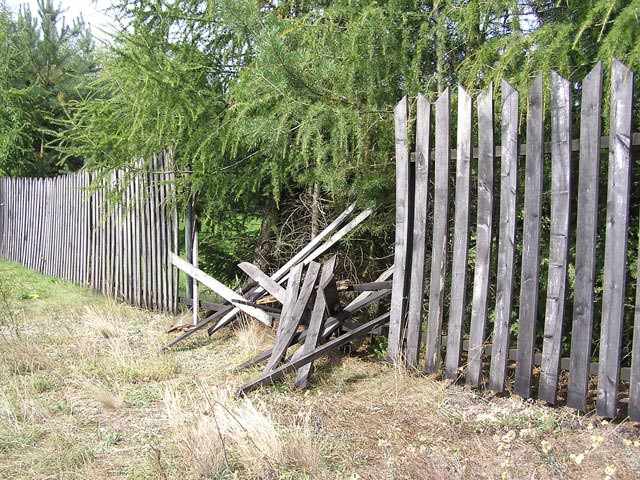
Wood is the most popular fence material in the Wichita area — and the one that needs the most attention. Cedar and pressure-treated pine both look great when new, but Kansas weather takes a toll without regular care.
Annual inspection: Walk your fence line at least once a year. Look for boards that are warped, cracked, or pulling away from the rails. Check posts at ground level for soft spots — push against each post to test for wobble. Kansas clay soil holds moisture against the base of posts, which accelerates rot even on treated lumber.
Cleaning: Dirt, mildew, and algae build up on wood fences, especially on the north-facing side. A garden hose and stiff brush handle most surface grime. For heavier buildup, a pressure washer on a low setting (under 1,500 PSI) works well — but keep the nozzle at least 12 inches from the wood to avoid gouging the grain.
Staining and sealing: This is the single most important thing you can do for a wood fence in Kansas. A quality stain blocks UV damage, repels moisture, and prevents the gray weathering that weakens wood fibers over time. Plan to stain your fence every 2–3 years, or sooner if you notice the wood absorbing water instead of beading it. If you’d rather leave this to a pro, our fence and deck staining service includes surface prep and color consultation. Homeowners staining a wood deck on the same property should also read our deck staining guide for Wichita, which covers the horizontal-surface prep and product picks that differ from fence work.
Tighten and replace hardware: Nails and screws loosen over time as wood expands and contracts. Re-secure any loose fasteners and replace missing ones before they cause boards to fall. Replace individual damaged boards as soon as you spot them — one rotting board can spread moisture damage to its neighbors.
Vinyl Fence Maintenance
Vinyl is marketed as maintenance-free, and while it’s certainly lower-maintenance than wood, it’s not zero-maintenance — especially in Kansas.
Annual cleaning: Vinyl fences collect dirt, pollen, and mildew. A bucket of warm water with dish soap and a soft cloth or sponge handles most of it. For stubborn mildew stains (common on the shaded side), mix one part white vinegar to one part water, or use a diluted bleach solution (one cup per gallon). Rinse thoroughly with a garden hose.
Inspect for damage after storms: Vinyl doesn’t rot or rust, but it can crack on impact — and it becomes more brittle in extreme cold. After Kansas ice storms or high-wind events, walk the fence line and check for cracked panels, loose post caps, and any sections that have shifted. Unlike wood, vinyl panels usually need full replacement rather than patching, so catching cracks early keeps repair costs down.
Check post stability: Vinyl posts rely on internal reinforcement and concrete footings for their strength. If a post is leaning or wobbling, the footing may have shifted — a common issue in Kansas soil that swells and contracts with moisture changes. Address leaning posts before they stress the connecting panels.
UV and discoloration: Prolonged Kansas sun can cause yellowing on white vinyl over many years. Higher-quality vinyl with UV inhibitors resists this better, but there’s no DIY fix once yellowing sets in — the affected panels need replacement.
Chain Link Fence Maintenance
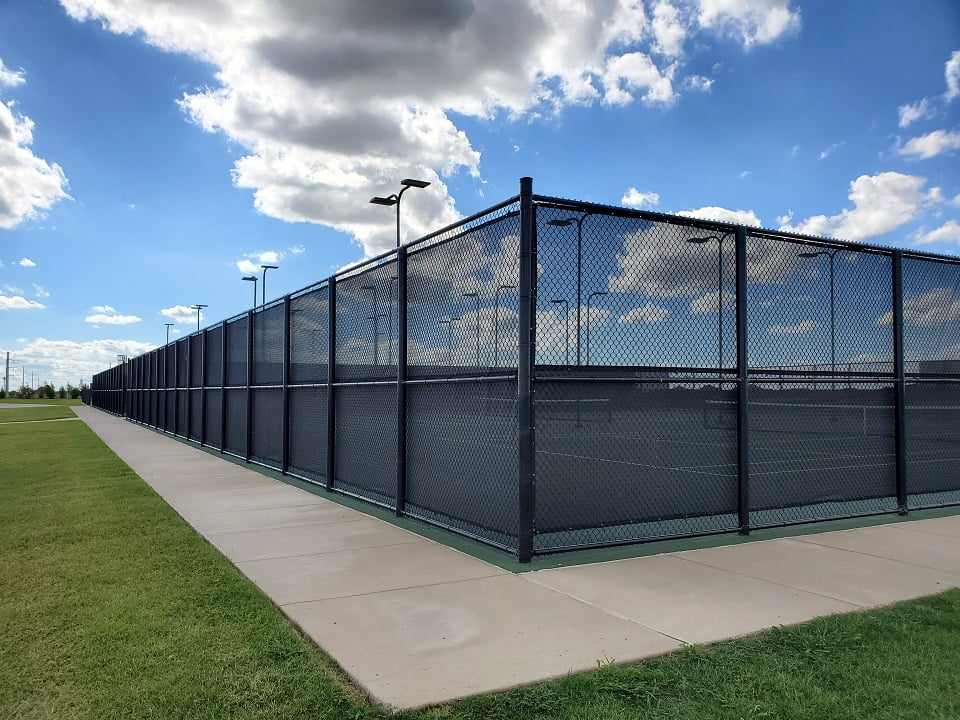
Chain link is one of the most durable and lowest-maintenance fence options, but Kansas weather still creates a few recurring issues worth watching for.
Rust inspection: Galvanized chain link resists rust well, but the coating wears down over time, especially at contact points and near the ground where moisture collects. Inspect the mesh, posts, and hardware for orange or brown spots. Small rust patches can be treated with a wire brush and rust-inhibiting spray paint before they spread.
Tension and hardware check: Wind is the biggest enemy of chain link in Kansas. High winds stretch the mesh and loosen tension bands, brace bands, and tie wires. After storm season, walk the fence and retighten any loose bands. If the mesh is sagging noticeably, the tension wire along the bottom or the tension bar at the end posts may need adjustment.
Top rail and post inspection: Bent top rails and leaning posts are common after severe weather. A slightly bent rail can sometimes be straightened, but a kinked rail should be replaced to maintain the fence’s structural line. Check that post caps are in place — open-top posts collect rainwater, which accelerates rust from the inside out.
Gate hardware: Chain link gates see the most wear. Lubricate hinges and latches at least twice a year with a silicone-based spray. Check that the gate closes and latches properly — sagging gates are usually caused by a dropping hinge post rather than the gate itself.
Ground clearance: Check for gaps between the bottom of the mesh and the ground. Soil erosion and settling can create openings large enough for pets to escape. Adding a tension wire or bottom rail helps keep the fence line secure.
Wrought Iron Fence Maintenance
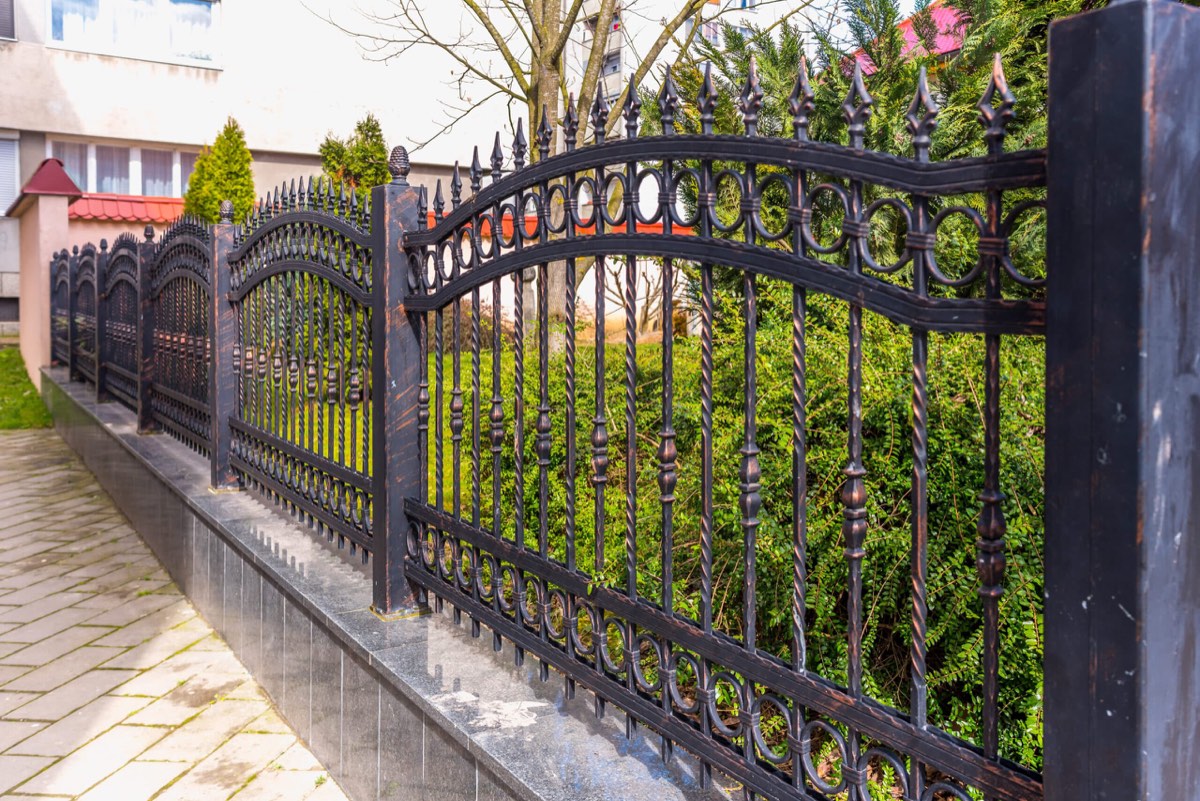
Wrought iron and ornamental iron fences are built to last decades, but they need consistent attention to stay looking sharp and structurally sound.
Rust prevention and treatment: This is the primary maintenance task for iron fencing. Inspect every section annually for paint chips, scratches, and rust spots. Any exposed metal will rust quickly in Kansas humidity. Sand the affected area with fine-grit sandpaper, apply a rust-inhibiting primer, and repaint with an exterior metal paint that matches your fence color. Catching rust early is the difference between a 20-minute touch-up and a costly section repair.
Cleaning: Wash your iron fence once or twice a year with soapy water and a soft brush to remove dirt and grime that traps moisture against the metal. Rinse thoroughly and let it dry completely.
Lubricate moving parts: Gates, hinges, and latches need lubrication at least twice a year. Use a silicone or graphite-based lubricant — avoid WD-40 as a long-term solution since it attracts dust and wears off quickly.
Check welds and joints: Seasonal temperature swings in Kansas (from below zero to over 100°F) cause metal to expand and contract repeatedly. Over years, this stress can weaken welded joints. Look for cracks or separation at connection points, especially where pickets meet horizontal rails.
Winter salt caution: If your iron fence is near a driveway, sidewalk, or road, road salt and de-icing chemicals accelerate corrosion. After winter, rinse the bottom section of any iron fencing near salted surfaces.
Ranch Rail Fence Maintenance
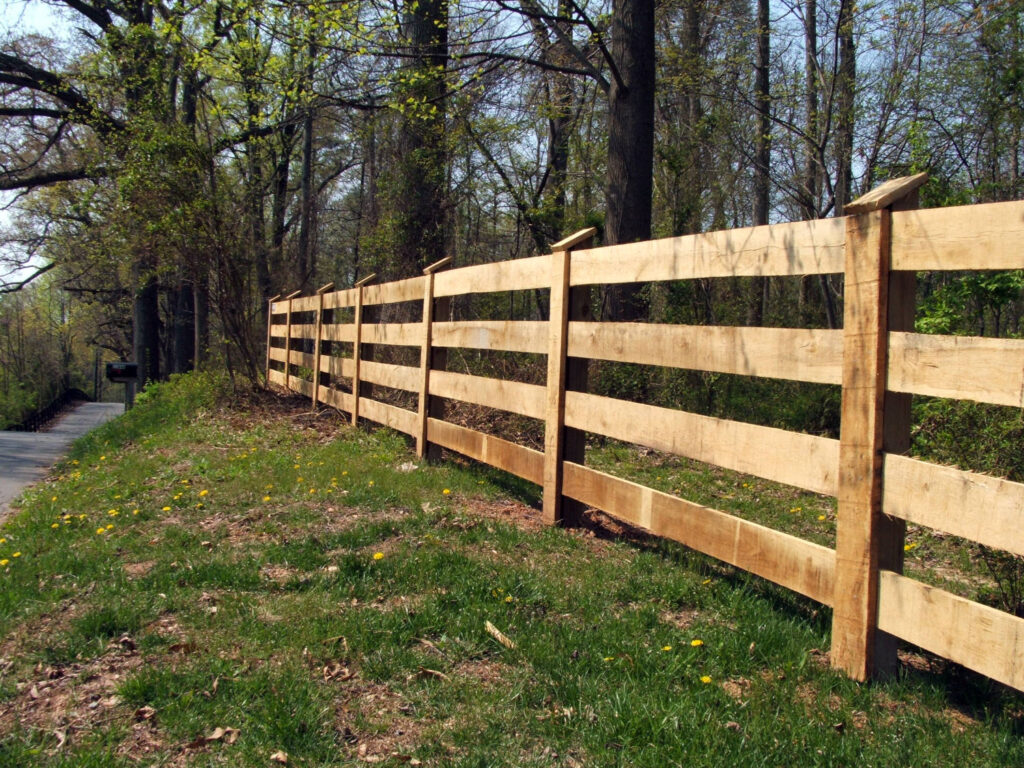
Ranch rail (split rail or post-and-rail) fences are simple by design, which makes them relatively easy to maintain.
Post stability: Posts carry all the structural load in a ranch rail fence. Check each post for lean and wobble, especially after winter frost heave cycles. Kansas freeze-thaw patterns are particularly hard on fence posts set in clay soil.
Rail replacement: Wood rails split and crack over time from UV exposure and moisture cycling. Replace split rails before they break completely and drop out of the post slots — a fallen rail leaves your property line undefined and can be a tripping hazard.
Stain or seal (wood rails): Like any exterior wood, ranch rail benefits from a protective stain or sealant. Frequency depends on exposure, but every 3–4 years is a reasonable starting point for most Kansas properties.
Wire backing: If you’ve added wire mesh backing for pet containment, inspect it annually for rust, loose staples, and gaps at the bottom where animals could push through.
Seasonal Fence Maintenance Checklist for Kansas

Kansas weather follows a pattern, and your fence maintenance should too. Here’s a season-by-season checklist:
Spring (March–May)
- Walk the entire fence line and inspect for winter damage: leaning posts, cracked panels, loose boards, rust
- Check gates for proper operation — winter ground movement can shift gate posts
- Clean all fence surfaces (soap and water for vinyl/iron, pressure wash or scrub for wood)
- Schedule staining for wood fences — spring offers the best temperature window (50–85°F with low humidity)
- Tighten any loose hardware, tension bands, or tie wires
- Clear vegetation growing against or through the fence
Summer (June–August)
- Monitor for UV damage: fading, cracking, or warping on south- and west-facing sections
- Keep sprinklers aimed away from wood and iron fences to reduce unnecessary moisture exposure
- Trim shrubs and tree branches that contact the fence — constant rubbing wears through stain and paint
- Check for insect activity: termites and carpenter ants target wood fences, especially where moisture collects at ground level
Fall (September–November)
- Complete any postponed repairs before freezing temperatures arrive
- Touch up paint on iron fences and reseal any rust-treated spots
- Clear leaves and debris from the fence base — trapped moisture against the bottom of the fence accelerates rot and rust
- Inspect post footings for any shifting that occurred during summer storms
- Lubricate all gate hinges and latches before cold weather stiffens them
Winter (December–February)
- After ice storms, inspect for damage once it’s safe — ice buildup adds significant weight to chain link and iron fences
- Avoid using salt or chemical de-icers near fence posts and metal hardware
- Gently remove heavy snow accumulation leaning against the fence to reduce lateral pressure
- Do not attempt pressure washing or staining in freezing conditions
When Maintenance Isn’t Enough
Regular maintenance extends your fence’s life significantly, but every fence eventually reaches a point where upkeep costs more than replacement. Some signs that you’ve crossed that line:
- You’re spending more than $500 per year on recurring repairs
- Repair costs exceed 50% of full replacement cost
- The fence is 15–20+ years old and showing widespread deterioration
- Multiple posts are failing, not just surface-level damage
Our guide on 7 signs it’s time to replace your fence goes into detail on how to make this call. If you need repairs rather than replacement, our fence repair cost guide covers what to expect in the Wichita area, and our fence repair service handles everything from single-board fixes to full section rebuilds.
How Midwest Fence Can Help
Whether you need professional staining to protect your wood fence, repairs to fix storm damage, or an honest assessment of whether your fence has more life left in it, Midwest Fence is here to help. We serve homeowners across Wichita, Derby, Andover, Goddard, and 10 other communities in the greater Wichita area.
Every consultation starts with a free, no-obligation estimate where we’ll walk your fence line, assess its condition, and give you a straight answer on what it needs.
Schedule your free fence assessment or call us at (316) 710-5824.