
Chain link is the workhorse of Wichita fencing — affordable, tough, and nearly maintenance-free. The one thing it doesn’t give you is privacy or softness. The good news: a chain link fence is essentially a ready-made trellis, and the best vines for chain link fences can turn that bare galvanized mesh into a green, flowering privacy screen for the cost of a few plants. This guide covers the vines that thrive in Kansas, the ones that damage fences or take over yards (skip these), how to plant and train them, and what to do if you need privacy sooner than a vine can deliver it.

Why Chain Link and Vines Are a Perfect Match
If you bought a home with an existing chain link fence — common across Wichita’s established neighborhoods and in Derby, Haysville, and Park City — you already own the hardest part of a living fence. Here’s why chain link is the most vine-friendly fence there is:
- It’s a built-in trellis. The open diamond weave gives twining vines and tendrils something to grab at every inch — no wires, netting, or lattice needed.
- Galvanized steel doesn’t rot. Unlike a wood fence, chain link doesn’t trap moisture against boards, so foliage growing on it won’t shorten its life the way ivy on wood pickets will.
- It’s the budget privacy play. A few $15–$30 perennials beat replacing a sound fence — ideal for first-time homeowners who want privacy and curb appeal without a full privacy fence budget yet.
- Wind moves through it. Kansas gusts pass through the mesh and the foliage instead of hitting a solid wall — a real advantage in a state where wind takes down solid fences every spring.
One caveat before you plant: make sure the fence itself is sound. A leaning post or sagging top rail only gets worse under plant weight, and it’s much easier to fix before the vine fills in. If your chain link needs attention first, our fence repair guide covers what common fixes cost in the Wichita area.
The Best Vines for Chain Link Fences in Kansas
Wichita sits in USDA hardiness zones 6b–7a, with hot summers, drying winds, and real winters — so the right vine list here looks different than one written for the coasts. These picks handle Kansas conditions, grab chain link readily, and won’t destroy the fence or your yard:
Clematis (Large-Flowered Hybrids)
The showpiece. Clematis climbs by twisting its leaf stems around the mesh, covers a panel in big purple, pink, or white blooms from late spring into summer, and stays light enough that the fence never feels it. The classic rule: flowers in the sun, roots in the shade — mulch the base well or shade it with a low plant in front. Plant one every 4–6 feet for a full run of color.
Trumpet Honeysuckle (Lonicera sempervirens)
Not to be confused with the invasive Japanese honeysuckle (more on that below), trumpet honeysuckle is a native, well-behaved climber with coral-red tubular flowers that hummingbirds fight over all summer. It’s fast without being aggressive, handles Kansas heat, and is one of the best all-around choices for covering chain link quickly and politely.
Crossvine (Bignonia capreolata)
A semi-evergreen native climber that keeps some foliage into winter in sheltered spots — about as close as Kansas gets to year-round green on a fence. Orange-red trumpet flowers in spring, vigorous but manageable growth, and excellent heat tolerance once established.
Virginia Creeper (Parthenocissus quinquefolia)
A tough-as-nails Kansas native that will cover a long fence run faster than almost anything, then reward you with brilliant crimson fall color. The trade-off is vigor: give it a yearly haircut and don’t plant it where it can reach the house, trees, or a neighbor’s yard unchecked.
American Passionflower (Passiflora incarnata)
Hardy to zone 6, this native perennial dies back to the ground each winter and regrows fast each summer, producing some of the most exotic-looking blooms you can grow in Kansas. Because it restarts annually, the fence carries almost no permanent weight.
Fast Annuals for First-Season Cover
Perennial vines take 2–3 seasons to really fill in (the old gardener’s line: first year they sleep, second year they creep, third year they leap). For green coverage this summer while the perennials establish, interplant cheap, fast annuals:
- Morning glory — classic blue and purple trumpet flowers, seeds straight into the ground after the last frost
- Hyacinth bean — purple pods and foliage, extremely fast in Kansas heat
- Black-eyed Susan vine — cheerful orange blooms that keep going until frost
- Scarlet runner bean — edible, fast, and loved by hummingbirds

Vines to Avoid (They Damage Fences or Take Over Yards)
A few popular climbers cause more problems than they solve in Kansas. Leave these off the fence:
- Japanese honeysuckle. Invasive across Kansas — it escapes cultivation, smothers native plants, and is nearly impossible to fully remove once established. Plant native trumpet honeysuckle instead.
- Wintercreeper (Euonymus fortunei). Another invasive spreader that jumps from fence to ground to woodland. Skip it.
- Sweet autumn clematis. Unlike the hybrid clematis above, this one self-seeds aggressively and pops up everywhere. Choose the large-flowered hybrids.
- Wisteria. Gorgeous, but it builds thick woody trunks that bend top rails and warp gate frames. It belongs on a heavy timber pergola, not a chain link fence.
- Trumpet vine (Campsis radicans). Native, but ferociously aggressive — it suckers up across the yard and its woody mass is heavy enough to stress fence fabric over time.
- English ivy. Slow to establish, then hard to control, and it holds a dense moisture mat that’s more of a problem for any nearby wood structures than for the fence itself.
When in doubt about a specific plant, K-State Research and Extension’s Sedgwick County office is a great free resource for what’s invasive or borderline in our area.
Do Vines Damage a Chain Link Fence?
Generally, no — chain link tolerates vines better than any other fence type. Galvanized (or vinyl-coated) steel doesn’t rot, and the mesh flexes rather than trapping moisture the way wood boards do. That said, three things are worth watching:
- Weight. Well-chosen vines are light, but heavy woody climbers (wisteria, mature trumpet vine) can bow a top rail or lean posts over years. Stick to the fence-safe list above.
- Gates and hardware. Keep vines trimmed back from hinges, latches, and gate frames so everything keeps swinging freely.
- Fence condition. Vines hide problems. Walk the line once or twice a year, and check posts and tension after storm season — our wind-resistant fence guide covers what Kansas storms do to fences and what to look for afterward.
On a wood privacy fence, the calculus is different — dense vines hold moisture against the boards and shorten stain life, so keep climbers off stained wood or grow them on a freestanding trellis instead. Our fence maintenance guide has the full seasonal routine for every material.
How to Plant and Train Vines on Chain Link
A Saturday afternoon covers it:
- Call 811 before you dig. Free, required, and fence lines often share space with buried utilities.
- Confirm the fence line is yours. If the fence sits on a shared boundary, a quick conversation saves friction later — our fence etiquette guide covers how to handle shared-line projects.
- Plant 12–18 inches out from the fence, not directly against it, so roots have room and rain reaches them. Space perennials every 4–6 feet.
- Weave and tie loosely. Guide young stems through the mesh and tie with soft garden tape. Kansas wind whips unattached new growth, so early tying matters more here than in calmer climates.
- Water deeply the first summer. Once established, the natives on our list shrug off Kansas heat, but every vine needs consistent water in year one. Mulch the root zone 2–3 inches deep.
- Prune once a year. Keep growth off gates, below the top rail line if you want a tidy look, and away from trees and structures.
Need Privacy Sooner? Your Faster Options
Even the fastest perennial vine takes a couple of seasons to become a true screen. If you need privacy now, you have three good moves, in rising order of investment:
- Privacy slats. Vinyl slats woven into your existing chain link block most sightlines immediately and cost a fraction of a new fence. Vines can still grow through and over them.
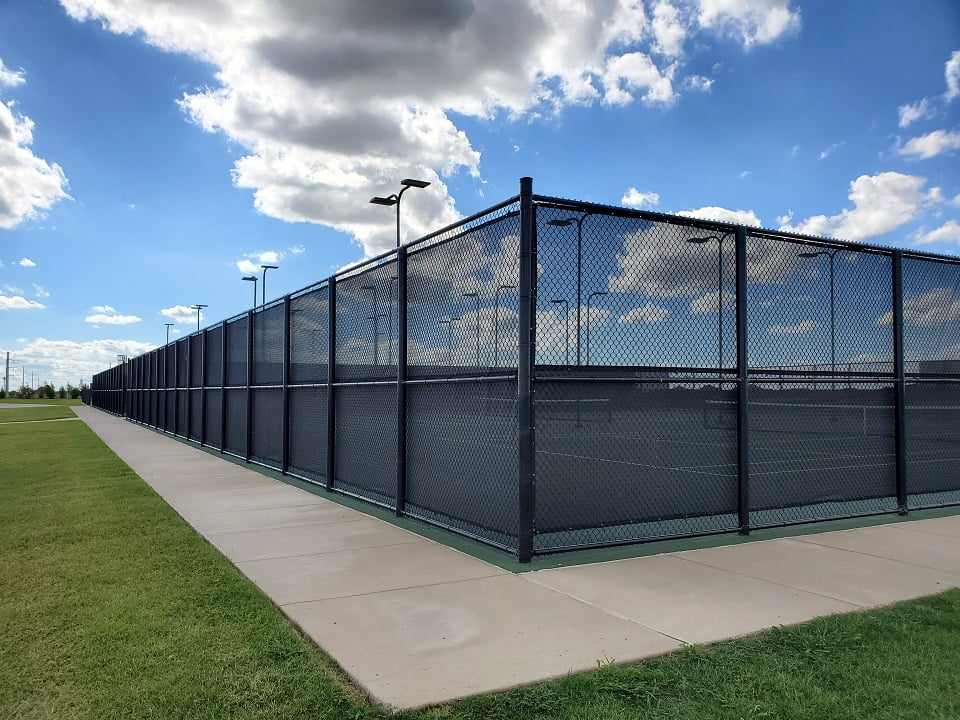
- Fabric windscreen. The quickest, cheapest screen — common on commercial sites and fine as a stopgap while plants fill in, though it takes wind load, so attachment quality matters.
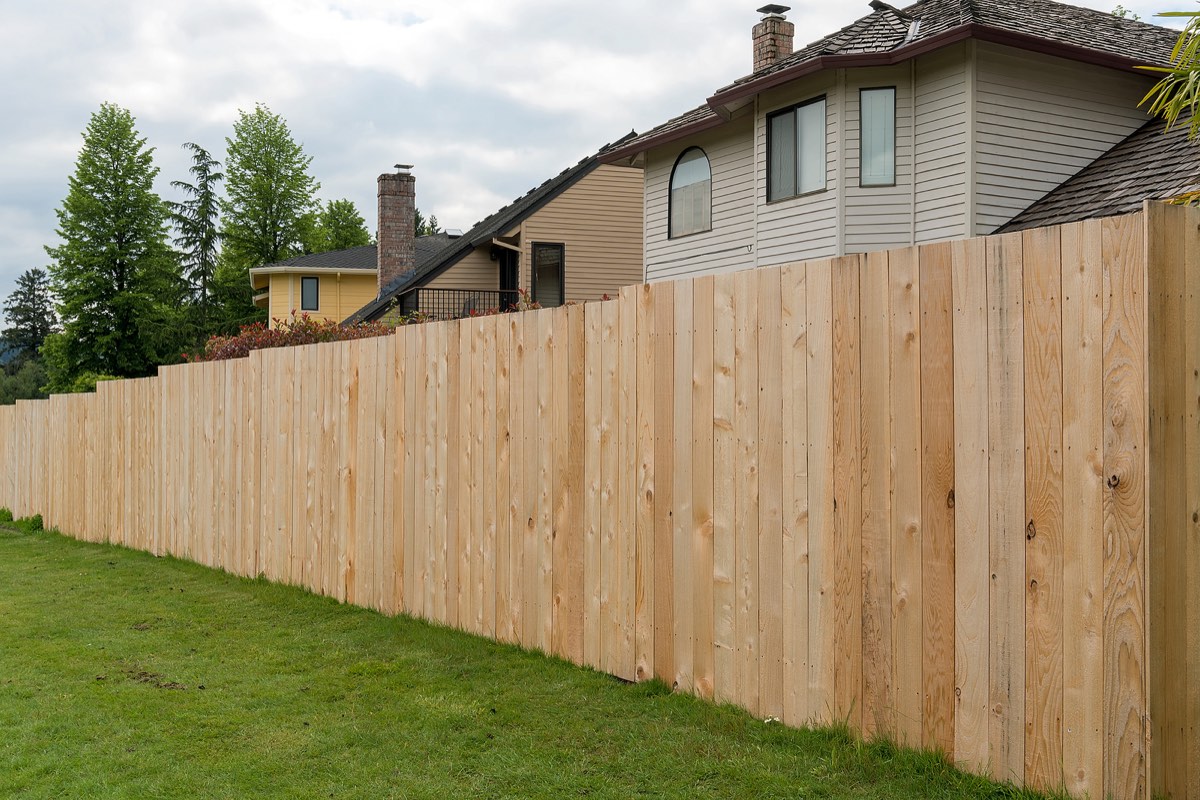
- Upgrade to a privacy fence. When you’re ready for full, instant, permanent privacy, a 6-foot wood or vinyl privacy fence is the answer. Our Wichita privacy fence guide compares cedar, pine, and vinyl with 2026 cost ranges — and we haul away the old chain link free with every installation.
Not sure which route fits your yard and budget? Browse all the options in our fence types guide, or have us walk the fence line with you — estimates are always free.
Frequently Asked Questions About Vines on Chain Link Fences
What is the fastest-growing vine for a chain link fence?
For same-season coverage, annuals like morning glory and hyacinth bean are the fastest — seeds planted after the last frost can cover a panel by midsummer. Among perennials that behave themselves, trumpet honeysuckle and Virginia creeper fill in fastest in Kansas, usually reaching solid coverage by their second or third season.
Will vines damage my chain link fence?
Fence-safe vines like clematis, trumpet honeysuckle, and crossvine will not harm a sound chain link fence — galvanized steel does not rot, and the open mesh sheds moisture. The vines to avoid are heavy woody climbers like wisteria and mature trumpet vine, which can bend top rails and stress posts over time. Keep all vines trimmed clear of gates and hardware.
Which vines should I avoid planting on a fence in Kansas?
Skip Japanese honeysuckle, wintercreeper, and sweet autumn clematis because they are invasive and escape into yards and woodlands. Skip wisteria and trumpet vine because their woody weight can damage the fence itself, and think twice about English ivy, which is hard to control once established. Native alternatives like trumpet honeysuckle and crossvine give you the same look without the problems.
How can I make a chain link fence private right away?
Vinyl privacy slats woven into the mesh are the quickest permanent upgrade and work fine alongside vines. A fabric windscreen is the cheapest stopgap. For full, instant privacy, replacing the chain link with a 6-foot wood or vinyl privacy fence is the long-term answer — and old-fence removal is free with a Midwest Fence installation.
When should I plant vines in Wichita?
Plant perennial vines in spring after the last frost — typically mid-April in the Wichita area — or in early fall, which gives roots time to establish before summer heat. Direct-seed annuals like morning glory once the soil has warmed in late April to May. Water deeply through the first Kansas summer regardless of when you plant.
Do fence vines survive Kansas winters?
The perennials on our list — clematis, trumpet honeysuckle, crossvine, Virginia creeper, and American passionflower — are all hardy in Wichita’s zone 6b–7a winters. Some die back to the ground and regrow each spring, while crossvine holds some foliage year-round in sheltered spots. Annual vines die at frost and are simply replanted each spring.
Get Help With Your Chain Link Fence
Whether your chain link fence needs a repair before planting season, a set of privacy slats, or a full upgrade to a wood or vinyl privacy fence, Midwest Fence is the locally owned, licensed and insured crew Wichita homeowners call first. Every project includes a free written estimate, free old-fence removal, and a 1-year warranty on workmanship and materials. Request your free estimate or call us at (316) 710-5824 — we serve Wichita, Derby, Andover, Goddard, Maize, and communities across the metro.