
How long does a fence last is one of the most common questions we hear from Wichita homeowners considering a new fence installation or deciding whether to repair an aging one. The answer depends on the fence material, how well it’s maintained, and how much punishment Kansas weather delivers each year. This guide breaks down the expected fence lifespan by material, explains what affects longevity, and gives you practical steps to get the most years out of your investment.
Fence Lifespan by Material: The Complete Breakdown
Every fence material has a different life expectancy. These ranges assume proper installation in the Wichita, Kansas area with average maintenance. Neglect shortens these numbers significantly — and consistent care can extend them well beyond the upper end.
| Material | Expected Lifespan | Maintenance Level | Best For |
|---|---|---|---|
| Cedar Wood | 15–25 years | Moderate | Privacy, natural look |
| Pressure-Treated Pine | 10–15 years | Moderate–High | Budget privacy |
| Vinyl | 20–30 years | Low | Low maintenance privacy |
| Chain Link (Galvanized) | 20–25 years | Low | Security, pets, budget |
| Wrought Iron | 40–70 years | Low–Moderate | Elegance, front yards |
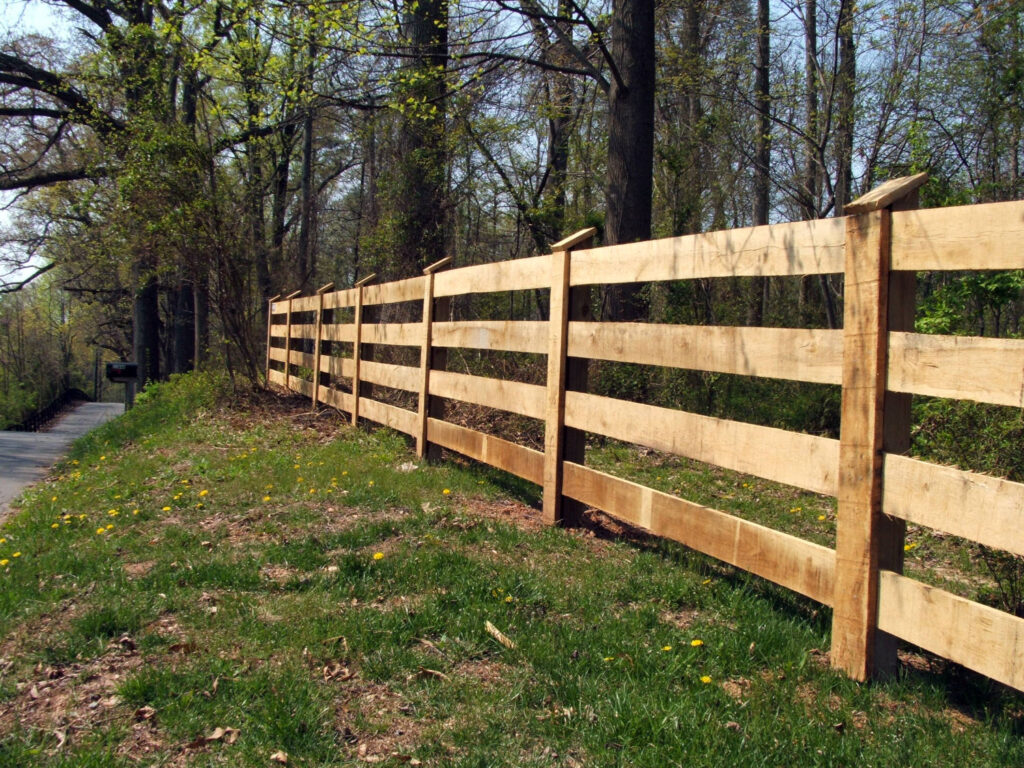
| Ranch Rail (Wood) | 15–20 years | Moderate | Large lots, rural property |
Now let’s dive deeper into each material so you know exactly what to expect and how to plan.
Wood Fence Lifespan: 10–25 Years
Wood is the most popular fencing material in the Wichita area, and its wood fence lifespan varies dramatically based on the species, treatment, and maintenance. Cedar and pressure-treated pine are the two most common options here in Kansas.
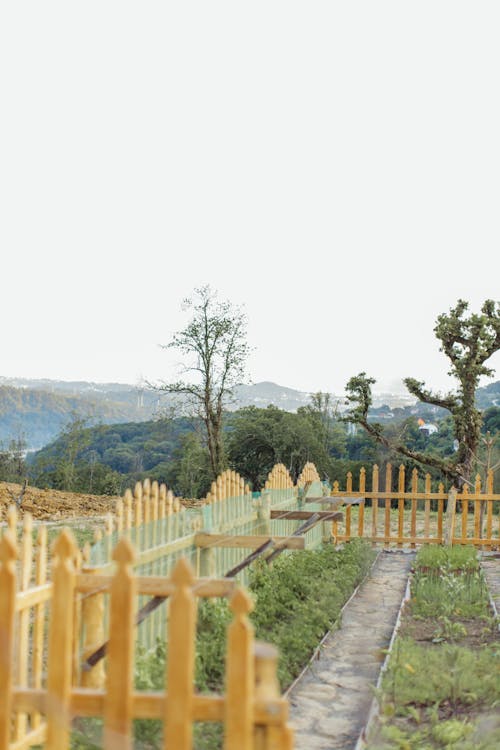
Cedar is the gold standard for wood fencing in Kansas. According to the USDA Forest Products Laboratory, cedar’s natural extractives give it inherent resistance to rot, insects, and moisture. With professional staining every 2–3 years, a cedar fence can last 20–25 years. Without stain, UV exposure and moisture will gray and degrade the wood within 10–15 years.
Pressure-treated pine is a more budget-friendly option. The chemical treatment prevents rot and insect damage, but the wood itself is softer than cedar and more prone to warping and cracking in Kansas heat. Expect 10–15 years with proper care, or as little as 7–8 years without staining.
Kansas-specific factor: Summer temperatures above 100°F cause wood to expand and contract rapidly, loosening fasteners and splitting boards. Winter ice storms add moisture stress that accelerates rot at the post base. These combined factors reduce wood fence lifespan by roughly 20% compared to milder climates.
Vinyl Fence Lifespan: 20–30 Years
Vinyl fencing has become increasingly popular among Wichita homeowners who want privacy without the maintenance demands of wood. A quality vinyl fence lifespan ranges from 20 to 30 years, with some manufacturers claiming up to 50 years under ideal conditions.
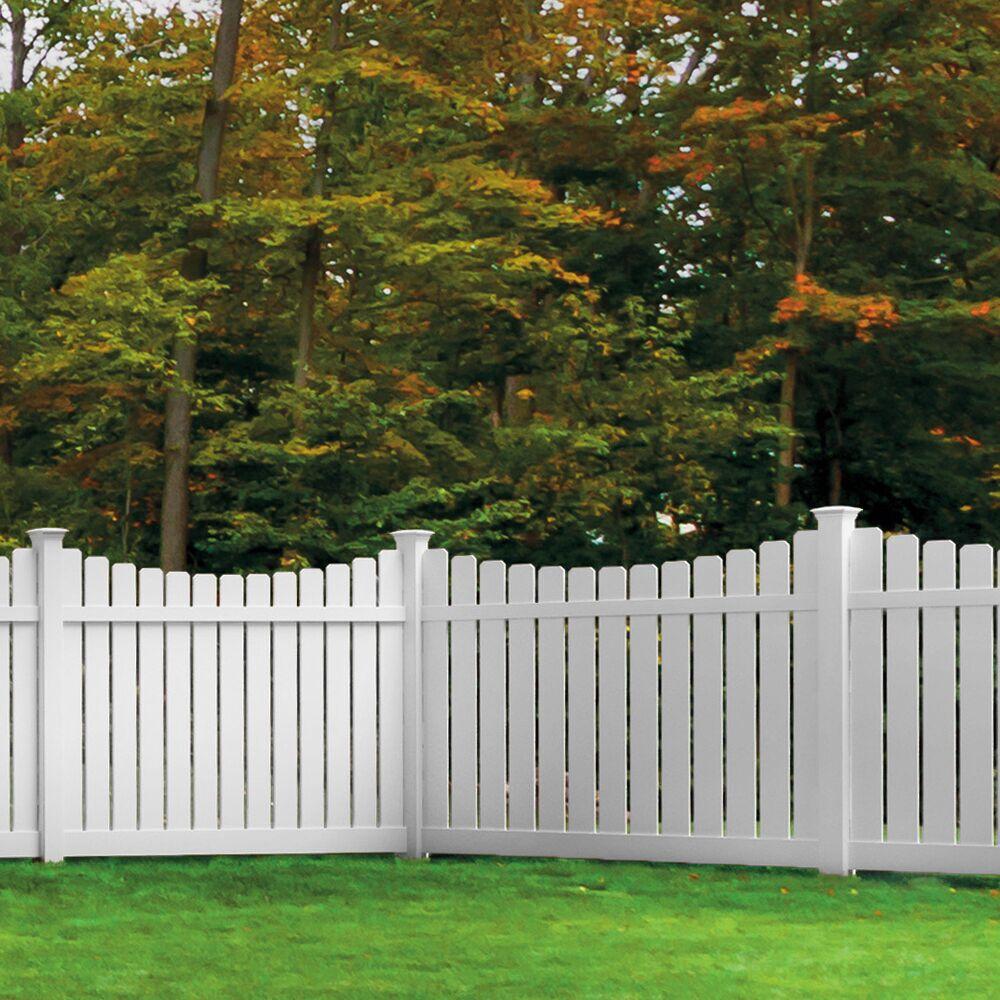
The key advantages of vinyl for longevity are clear:
- No rot, no insects: Vinyl is a synthetic material that doesn’t absorb moisture or attract termites
- UV-resistant: Premium vinyl includes UV stabilizers that prevent yellowing and brittleness from Kansas sun
- No painting or staining: A garden hose is all you need for cleaning
The main threat to vinyl in Kansas is extreme cold. Lower-grade vinyl can become brittle in sub-zero temperatures, making it vulnerable to cracking from impact (like a stray basketball or wind-blown debris). We use premium virgin vinyl with internal aluminum reinforcement to address this risk. For a detailed comparison of the two most popular materials, see our wood fence vs. vinyl fence guide.
Chain Link Fence Lifespan: 20–25 Years
Chain link is the workhorse of fencing — functional, affordable, and built to last. A chain link fence lifespan typically falls between 20 and 25 years for standard galvanized steel, with vinyl-coated chain link lasting even longer at 25–30 years.
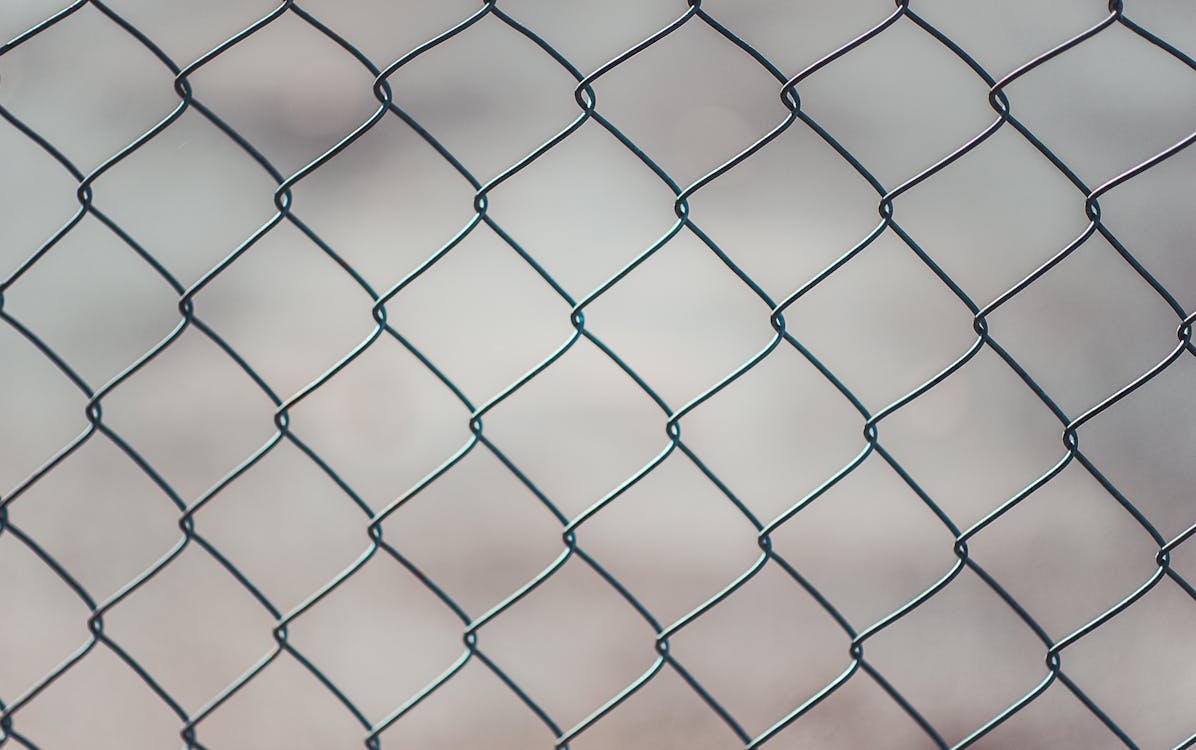
Chain link is the most wind-resistant fence type available — wind passes through the mesh rather than pushing against it. That alone makes it an excellent choice in Kansas where straight-line winds regularly exceed 60 mph during storm season.
The primary enemy of chain link is rust. Once the galvanized coating wears away (typically after 15–20 years), corrosion accelerates quickly. Vinyl-coated chain link adds a second layer of protection that significantly extends the lifespan and gives you color options beyond standard silver.
Wrought Iron Fence Lifespan: 40–70+ Years
If longevity is your top priority, wrought iron fence lifespan is unmatched. A professionally installed wrought iron or ornamental iron fence can last 40 to 70 years — and with diligent maintenance, some iron fences remain standing for over a century.
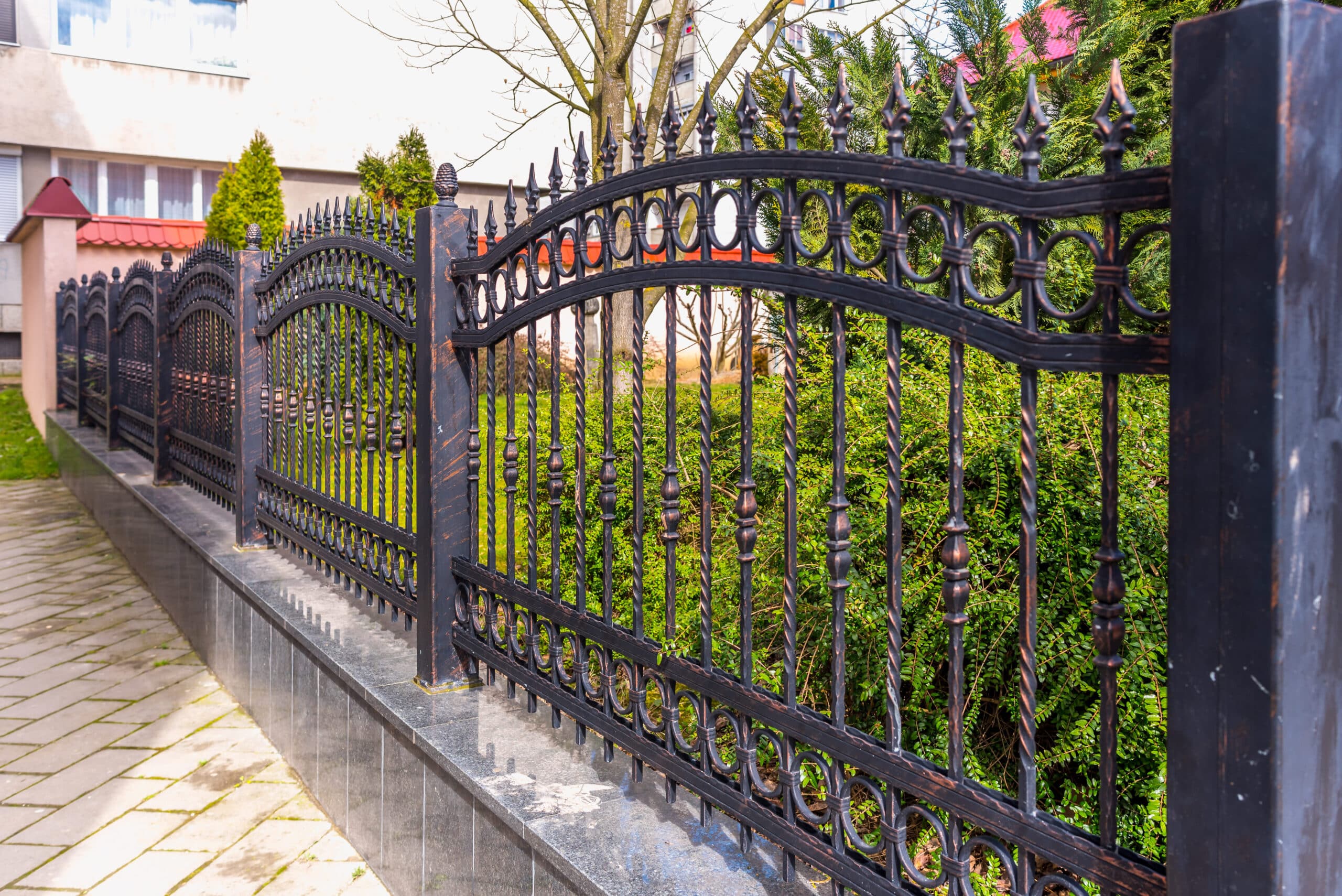
Modern wrought iron fences use powder-coated finishes that resist rust far better than traditional paint. The main maintenance requirement is inspecting for chips in the coating after hailstorms (common in Kansas from April through September) and touching up exposed metal before rust can take hold.
Iron is the strongest residential fencing material — it handles wind, hail, and physical impact better than any alternative. The tradeoff is cost: wrought iron is typically the most expensive material per linear foot, both for materials and installation.
Ranch Rail Fence Lifespan: 15–30 Years
Ranch rail (also called split rail or post-and-rail) fencing defines property boundaries on larger lots and rural properties across the Wichita area. The fence life expectancy depends entirely on the material:
- Wood ranch rail: 15–20 years (same maintenance demands as other wood fencing)
- Vinyl ranch rail: 25–30 years with virtually no maintenance
Ranch rail’s open design is inherently wind-friendly, so storm damage is rare. The main failure point for wood ranch rail is post rot at the ground line, which is why proper concrete footings and post depth (at least 36 inches in Kansas clay soil) are critical during installation.
What Type of Fence Lasts the Longest?
The longest lasting fence material is wrought iron, with a lifespan of 40–70+ years. But “longest lasting” isn’t always the right metric for choosing a fence. Here’s a more useful way to think about it:
- Best lifespan-to-cost ratio: Chain link. Low upfront cost, low maintenance, 20–25 year lifespan. Your cost per year of service is the lowest of any material.
- Best “set it and forget it” option: Vinyl. 20–30 years with no staining, painting, or sealing required. Highest return for the least ongoing effort.
- Best absolute longevity: Wrought iron. If you plan to stay in your home for decades and want a fence that outlasts your mortgage, iron is the answer.
- Best balance of aesthetics and lifespan: Cedar wood with professional staining. The most popular choice in the Wichita area for good reason — 20+ years of natural beauty with regular care.
For a deeper dive into each material’s pros, cons, and best uses, visit our complete fence types and materials guide.
How Kansas Weather Affects Fence Lifespan
Kansas is one of the toughest environments in the country for fencing. The combination of extreme heat, severe cold, high winds, hail, and rapid temperature swings creates fence durability challenges that homeowners in milder climates simply don’t face. Here’s how each weather factor impacts your fence:
- Summer heat (95–110°F): Causes wood to dry out, crack, and warp. UV radiation degrades wood fibers and fades stain. Wood fences without UV-protective stain can lose 3–5 years of lifespan from sun damage alone.
- Winter ice storms: Ice accumulation adds weight to fence panels and can snap weakened boards or bend chain link top rails. Repeated freeze-thaw cycles force moisture into wood grain, accelerating rot.
- High winds (60–80+ mph): Kansas averages 14 mph winds year-round, with storm gusts regularly exceeding 60 mph. Solid privacy fences act as wind sails — improperly installed posts will lean or snap. According to Kansas State University’s agricultural research extension, windbreaks and solid fences in the central Plains need posts set at least 36 inches deep to resist wind loads.
- Hail: Wichita falls in one of the most hail-prone corridors in the United States. Hail dents vinyl, chips iron coatings (leading to rust), and cracks already-stressed wood boards.
- Clay soil: The heavy clay soil across Sedgwick County expands when wet and contracts when dry. This cycle can shift fence posts and crack concrete footings, especially when posts aren’t set deep enough.
Bottom line: The same fence that lasts 25 years in a moderate coastal climate may only last 18–20 years in central Kansas without proactive maintenance. Professional installation with proper post depth and quality materials is the single best investment you can make for fence longevity in our area.
How to Make Your Fence Last Longer
Regardless of material, these maintenance practices will significantly extend your fence life expectancy in the Wichita area:
Wood Fence Maintenance
- Stain and seal every 2–3 years. This is the single most impactful thing you can do for a wood fence. A quality penetrating stain blocks UV rays and repels moisture. See our step-by-step staining guide for details.
- Clear vegetation away from the fence line. Plants, vines, and grass growing against the fence trap moisture and accelerate rot at the base. Maintain a 6–12 inch clearance zone.
- Fix damage immediately. A single rotting board or leaning post, left unrepaired, stresses adjacent sections and can cascade into a much larger (and more expensive) problem within one season.
- Direct sprinklers away from the fence. Repeated water exposure from sprinkler overspray is one of the most common causes of premature wood fence failure we see in Wichita.
- Inspect twice a year. Walk your fence line in spring (after winter) and fall (before storm season). Look for loose boards, leaning posts, and rot at the base of posts and pickets.
Vinyl Fence Maintenance
- Wash annually. Use a garden hose or pressure washer on a low setting to remove dirt, algae, and mildew buildup
- Check connections after storms. High winds can loosen vinyl panel-to-post connections even if nothing appears visually damaged
- Avoid parking mowers or equipment against panels. Vinyl doesn’t flex like wood — concentrated pressure can crack panels
Chain Link Fence Maintenance
- Inspect for rust spots annually. Treat any exposed metal with a rust-inhibiting spray before corrosion spreads
- Check tension wires and tie wires. Loose tension allows the mesh to sag and creates gaps, especially after wind events
- Lubricate gate hinges yearly. A few drops of oil prevents binding and reduces wear on gate posts
Wrought Iron Fence Maintenance
- Touch up coating chips immediately. Exposed metal rusts quickly in Kansas humidity, especially during spring and summer
- Repaint or re-coat every 5–7 years. A fresh powder coat or rust-inhibiting paint resets the clock on corrosion protection
- Inspect after hailstorms. Hail can chip coatings in dozens of small spots that are easy to miss but become rust entry points
Does Staining a Fence Make It Last Longer?
Yes — staining is the single most effective way to extend a wood fence’s lifespan. A quality penetrating stain does three critical things:
- Blocks UV radiation that breaks down wood fibers and causes graying, splitting, and surface degradation
- Repels moisture that causes rot, mold, and the swelling/shrinking cycle that loosens fasteners
- Reduces insect appeal — stained wood is less attractive to wood-boring insects than bare, weathered wood
The difference is measurable. An unstained cedar fence in the Wichita area typically lasts 12–15 years. The same fence with professional staining every 2–3 years regularly hits 20–25 years — that’s 5–10 additional years of service from a maintenance investment that costs a fraction of replacement.
For Kansas homeowners, we recommend a semi-transparent penetrating stain that absorbs into the wood rather than sitting on the surface. Film-forming stains can peel and flake in our extreme temperature swings. For the full process, read our how to stain a wood fence guide.
If you’d prefer to have it done professionally, our fence and deck staining service includes power washing, surface prep, and expert application with premium stain products.
When Should You Replace vs. Repair Your Fence?
Every fence eventually reaches the point where repairs stop making financial sense. Here are the benchmarks we use when advising Wichita homeowners:
Repair makes sense when:
- The fence is under 15 years old (under 10 for untreated pine)
- Damage is localized — one or two sections while the rest is structurally sound
- Repair cost is less than 50% of full replacement cost
- The overall structure (posts and rails) is still plumb and stable
Replacement makes sense when:
- The fence has exceeded its expected lifespan (15+ years for wood, 25+ for vinyl)
- More than 40–50% of the fence shows significant deterioration
- You’re spending $500+ per year on recurring repairs
- Multiple posts are leaning, rotting at the base, or need replacement
For a detailed breakdown of the warning signs, check out our guide to the 7 signs it’s time to replace your fence. If you’re unsure, we provide honest assessments during every free estimate — sometimes repair is the right call, and we’ll tell you so.
Installation Quality: The Hidden Factor in Fence Lifespan
The quality of the original installation affects fence lifespan as much as the material itself. Shortcuts during installation create structural weaknesses that surface years later. Here are the installation details that matter most:
- Post depth: In Kansas clay soil, posts should be set 36–42 inches deep in concrete footings. Shallow posts (18–24 inches) are the #1 cause of leaning fences we see in the Wichita area.
- Concrete footings: Properly mixed and cured concrete anchors prevent frost heave and soil shifting. Gravel-only footings are cheaper but fail significantly faster in our soil conditions.
- Post spacing: Standard 8-foot spacing is maximum for privacy fences in windy areas. Tighter spacing (6 feet) provides significantly more wind resistance for exposed fence lines.
- Fastener quality: Galvanized or stainless steel fasteners prevent rust streaking and maintain hold strength over decades. Cheap ungalvanized nails will corrode within 2–3 years in Kansas humidity.
- Ground clearance: Fence boards should sit 1–2 inches above ground level to prevent direct soil contact and splash-back moisture absorption. Boards touching the ground rot from the bottom up within 3–5 years.
This is one of the strongest arguments for hiring a professional fence installer over a DIY approach. The cost difference is typically 30–40% at installation time, but a professionally installed fence can last 30–50% longer due to proper technique, materials, and structural engineering.
Fence Lifespan and Home Value
Your fence’s condition directly impacts your home’s curb appeal and resale value. According to data from Angi, a well-maintained fence can add $5,000–$15,000 to a home’s perceived value in the Wichita market, while a deteriorating fence can reduce buyer interest and trigger price negotiations.
If you’re considering selling your home in the next 3–5 years, factor your fence’s remaining lifespan into the equation. A fence nearing end-of-life is often worth replacing before listing — the return on investment is typically strong. Read our complete analysis on whether a fence increases home value for Wichita-specific data.